
Sleep Apnea Treatmentin Harrisburg
Do you suffer from chronic snoring? Do you often feel tired throughout the day despite sleeping all night? The problem may not be due to a bad mattress or tossing and turning. You may have an undiagnosed sleep disorder. Sleep apnea is a condition that causes numerous pauses in breathing frequently while sleeping due to an obstruction in the airway. Not only will it decrease your quality of life, but also increase your risk for serious health conditions if you do not have it treated. At Klein Family Dentistry, Dr. Gary M. Klein offers the solutions you need for sleep apnea treatment in Harrisburg.
Stop the Complications of Sleep Apnea
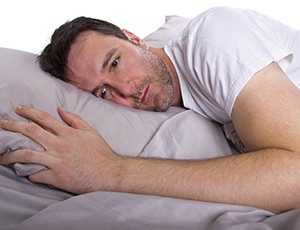 Sleep apnea is a common condition that affects more than 22 million Americans; however, it is believed that 80% of those with it remain undiagnosed because the symptoms can be quite diverse. It occurs when the passages in the airways collapse, causing hundreds of pauses in breathing while sleeping with each interruption potentially lasting for longer than one minute. The lack of oxygen negatively impacts your quality of life and produces a wide range of symptoms, such as:
- Loud chronic snoring.
- Waking choking, gasping, or coughing for air.
- Waking with a sore or dry throat.
- Waking often.
- Waking with a headache.
- Daytime fatigue or sleep deprivation.
- Mood swings, irritability, or depression.
- Decreased ability to concentrate.
- Lowered cognitive abilities.
Not only will you experience complications in your daily life, but it can also lead to health issues like cardiovascular disease, which can increase your risk for heart attack and stroke.
Take Control of Your Sleep Quality
 Although anyone can develop sleep apnea, those who are obese or have a large neck circumference often suffer from the condition, which is why it is important to maintain a healthy weight. If the disorder does occur, it is vital that you undergo a sleep study as soon as possible for a diagnosis. This will involve monitoring you while you sleep. Using the information gathered, your dentist in Harrisburg, Dr. Klein, can then provide you with an effective treatment.
Solutions for Sleep Apnea
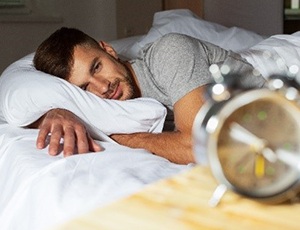 In addition to changes to your lifestyle, such as losing weight or avoiding alcohol, Dr. Klein will offer a customized treatment solution. Now, the most preferred and widely used involves an oral appliance. This is a custom-fit device that is worn while you sleep to reposition the jaw forward. This keeps the airways open to prevent pauses in breathing. It has shown to be effective for treating mild to moderate cases of the condition.
Sometimes, an oral appliance may not be enough, and you may need a CPAP machine. This delivers a steady stream of air through a mask that is worn over the nose at night to keep the airways open. In some cases, Dr. Klein may recommend a combination of the two therapies.
Sleep Soundly, Breathe Easier
If you are struggling to get a restful night’s sleep, contact Klein Family Dentistry today to schedule a consultation. Dr. Klein will help you sleep soundly and breathe easier with an effective treatment.
Sleep Apnea (Obstructive Sleep Apnea) FAQs
Why should I see a dentist for sleep apnea treatment?
While the connection may not seem immediately clear, the truth is that your dentist is an expert in the upper-respiratory area.
With obstructive sleep apnea (OSA), tissues from your mouth and neck can prevent healthy breathing. By repositioning the lower jaw, your dentist can help keep these tissues out of your airway.
Furthermore, since you already meet with your dentist regularly, you have a built-in opportunity to be examined and discuss sleep-related issues.
Does everyone who snores have sleep apnea?
No, not everyone who snores has sleep apnea, and not everyone with sleep apnea snores, either! The only way to determine if someone has sleep apnea is to take a sleep study or test with a qualified dentist or doctor.
Approximately 20 million Americans (about 20 percent of the adult population) have sleep apnea.
How long do sleep apnea episodes last?
Most sleep apnea episodes (known as apneas) last between ten seconds and up to two minutes. These episodes can occur five to 30 times each hour of sleep. A sleep test from a qualified professional can determine how advanced your sleep apnea is, how often your apneas occur, and what type of sleep apnea you have.
A general rule of thumb is that 0-15 apnea events per hour are considered mild, while 30 or more per hour is considered severe.
Can I diagnose my own sleep apnea?
While you may have sleep apnea symptoms, this does not mean you have sleep apnea. It is important to get an official diagnosis from a qualified doctor or dentist before you begin sleep apnea treatment.
While devices such as Apple watches or Fitbits can help alert you to sleep disruptions, they cannot comprehensively test for sleep apnea. Only a sleep test from a qualified professional can do this.